
 By Oliver Sterling
A UK lifestyle account with 3,000 followers just landed a £400 brand deal. A creator with 40,000 followers on the same platform is still waiting for a single reply to her pitches.
Follower count does not decide this. Niche clarity and engagement do. Nano influencers under 10,000 followers now make up most of the influencer landscape, and TikTok creators in that tier see engagement rates above 15 percent, well ahead of larger accounts.
That is how to become lifestyle influencer UK creators are searching for, not another vague list. Below is the real earnings data by tier, the rules that protect you from a formal warning, and the tax steps HMRC expects once the brand deals start.
Start with the question most guides skip. Is there still room for you?
What a UK Lifestyle Influencer Actually Does
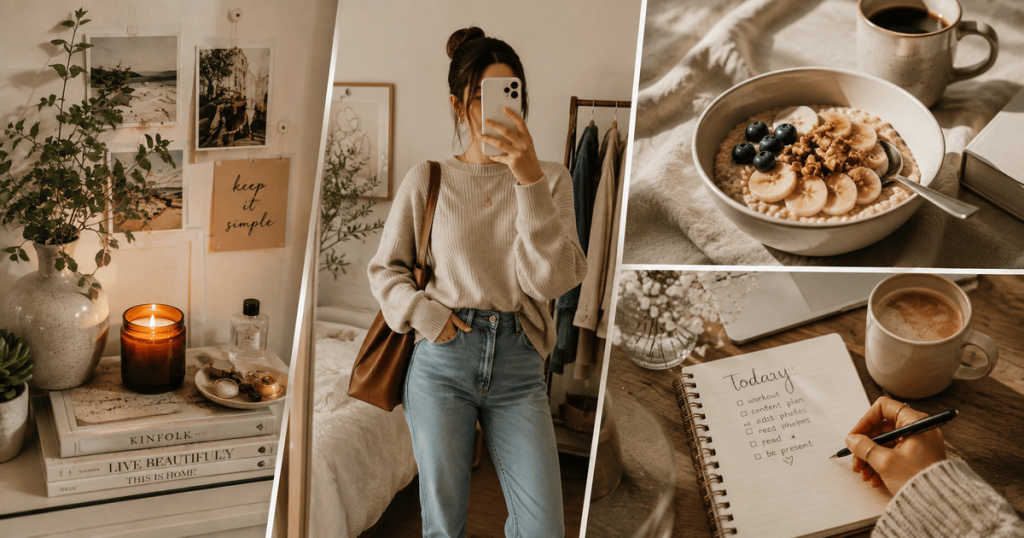
A lifestyle influencer UK audiences follow does not stick to one topic. One week the content is a flat renovation, the next it is a supermarket meal plan or a Sunday morning routine.
That range is the whole point. A beauty influencer talks about skincare. A lifestyle content creator talks about the life the skincare fits into, and everything around it.
The trade-off is focus. Without a clear point of view, lifestyle content reads as random rather than aspirational. The successful accounts pick a lens, such as budget city living or slow home cooking, and filter every post through it.
Is the Lifestyle Niche Too Saturated in the UK
This is the question people type into forums when they are close to giving up before they even start. Is the lifestyle niche too saturated? UK creators keep asking, and the honest answer is yes and no.
The broad lifestyle category is crowded. Generic outfit photos and coffee cup flat lays blend into the feed within seconds. A narrow lifestyle angle is not crowded at all.
Sustainable gardening from a small London flat is a real example of a specific enough angle to stand out. A financial advisor sharing money habits for young professionals is another. Pick the version of lifestyle content tied to something you already know, not the version that copies whoever is trending this month.
The counterpoint worth admitting. A narrow angle caps your ceiling audience compared with a broad lifestyle account. You trade some reach for a faster path to trust, and trust is what brands pay for.
How Do Lifestyle Influencers Make Money in the UK
Sponsored posts are the primary source of income, but rarely the only one. Affiliate commission, UGC content made for brands to repost, digital products and platform bonuses all stack on top once an audience trusts you.
According to UK rate data from Limelight Digital, micro-influencers with 10,000 to 50,000 followers typically earn £100 to £500 per Instagram post, while accounts over a million followers can charge £10,000 or more for a single post.
| Tier | Followers | Typical UK rate per post |
| Nano | 1,000 to 10,000 | Up to £200, often product gifting instead of cash |
| Micro | 10,000 to 50,000 | £100 to £500 |
| Mid tier | 50,000 to 500,000 | Up to £2,500 |
| Macro | 500,000 to 1 million | Up to £10,000 |
| Mega | 1 million plus | £10,000 and up, often with a management team |
YouTube pays differently because ad revenue runs alongside sponsorships. The same UK earnings data shows a channel with 100,000 subscribers can bring in £750 to £7,500 per sponsored video, depending on watch time and niche.
The wider return on investment backs up why brands keep a budget for this. Influencer marketing returns an average of £5.78 for every £1 spent, one of the strongest ratios in digital marketing according to industry benchmarking from Charle.
How Many Followers Do You Need to Be a UK Lifestyle Influencer
Fewer than most people assume. Brands routinely work with nano creators sitting at 1,000 followers, especially through product gifting rather than cash fees.
What matters more than the number is who is behind it. A tight community of 3,000 UK-based home bakers who comment and share sells harder than 30,000 passive followers with no engagement.
Micro accounts between 10,000 and 100,000 followers post the strongest ROI figures in most 2026 benchmarking, largely because their audiences still feel like real relationships rather than a broadcast.
What Content Do UK Lifestyle Influencers Post
Strong lifestyle accounts run on three to five repeating content pillars rather than posting whatever happens that day. Pillars give a brand and an algorithm a reason to trust what comes next.
- Daily routine content, from morning coffee rituals to evening wind-downs.
- Home and interiors, particularly small space or rental-friendly styling.
- Budget and money habits, a growing pillar as cost of living content performs well in the UK.
- Outfit and beauty snapshots tied to a specific price point or body type.
- Food, from weekly meal plans to a favorite local UK spot.
How to Make Day in the Life Content Interesting
Day in my life content: how to make it interesting UK creators ask constantly, because a flat timeline of tasks bores viewers within seconds.
The fix is structure, not a more exciting day. Open on a hook moment pulled from later in the day, then loop back to the morning. Cut every task down to three seconds and only slow down for one moment with actual tension, a late train, a recipe that goes wrong, a decision still unmade.
A day in life works as attention content. Pair it with an expertise pillar such as a budgeting tip or a skincare routine so the account offers more than a highlight reel.
How to Start as a Lifestyle Influencer in the UK With a Small Following
How to start as a lifestyle influencer in the UK with a small following is one of the most searched versions of this question, and the process does not change once you have an audience.
1. Pick a Lens, Not Just a Topic
Write one sentence describing your account. If it could describe a thousand other accounts, narrow it. City renting on one income reads differently to a lifestyle blog.
2. Choose One Primary Platform First
Instagram and TikTok dominate UK lifestyle content, but spreading thin across four platforms from day one slows growth on all of them. Master one format before expanding.
Some creators start lifestyle blog UK social media pages side by side, posting the same content on a website and on Instagram. That works too, as long as one platform stays the main focus.
3. Post on a Rhythm You Can Actually Keep
Daily posting grows an account faster, but a realistic four times a week beats an ambitious daily schedule that collapses after three weeks.
4. Build a Recognizable Aesthetic
Consistent color tones, caption style and camera angles make an account feel intentional rather than accidental, which is what turns a scroll past into a follow.
5. Start Reaching Out to Brands Early
There is no follower minimum written anywhere. Nano accounts with clear audience alignment win product gifting deals constantly, and every deal builds proof for the next pitch.
6. Building Your Lifestyle Influencer Media Kit
A media kit is the influencer version of a CV. It is usually a one or two-page PDF covering your bio, audience numbers, past collaborations and rates.
- A short bio naming your niche and location, since UK-based often matters for event and product timing.
- Follower counts and engagement rate, screenshots from your platform analytics.
- Audience demographics, especially age range and UK versus international split.
- Two or three examples of past content, ideally brand collaborations.
- Clear rates or a note that rates are sent on request.
Pulling these numbers together by hand every time you pitch gets old fast. Free tools such as SocialMention make it easier to track engagement rate and follower growth over time, so your media kit always shows current, accurate numbers instead of a screenshot from three months ago.
Frame a small following as an advantage rather than apologize for it. A highly engaged community of UK-based renters or new parents reads stronger than a bare follower count on its own.
What Brands Work With Lifestyle Influencers in the UK
Landing lifestyle brand partnerships UK creators want starts with fashion, beauty, homeware and food brands, since their products fit naturally into everyday content. Fast fashion brands run some of the highest volume creator programmes in the UK, working with thousands of creators across a single season.
Hospitality brands, from independent cafes to hotel chains, work heavily with lifestyle and travel crossover accounts, and they tend to respond fastest to a genuine local pitch.
What Brands DM Lifestyle Influencers in the UK
What brands DM lifestyle influencers UK creators want to know before they start pitching, hoping to skip the outreach stage. Inbound DMs do happen, mostly from smaller UK brands and local businesses once an account passes a few thousand engaged followers.
Larger brands rarely DM first. They post open call forms, use platforms like AspireIQ, or wait for a warm introduction through a smaller collaboration. Outreach from your side stays the faster route while your following is still small.
UK Advertising Rules Every Lifestyle Influencer Must Follow
This is the part most influencer guides skip entirely, and it is the part that protects your account. The ASA (Advertising Standards Authority) enforces the CAP Code, the rulebook covering influencer marketing across social platforms.
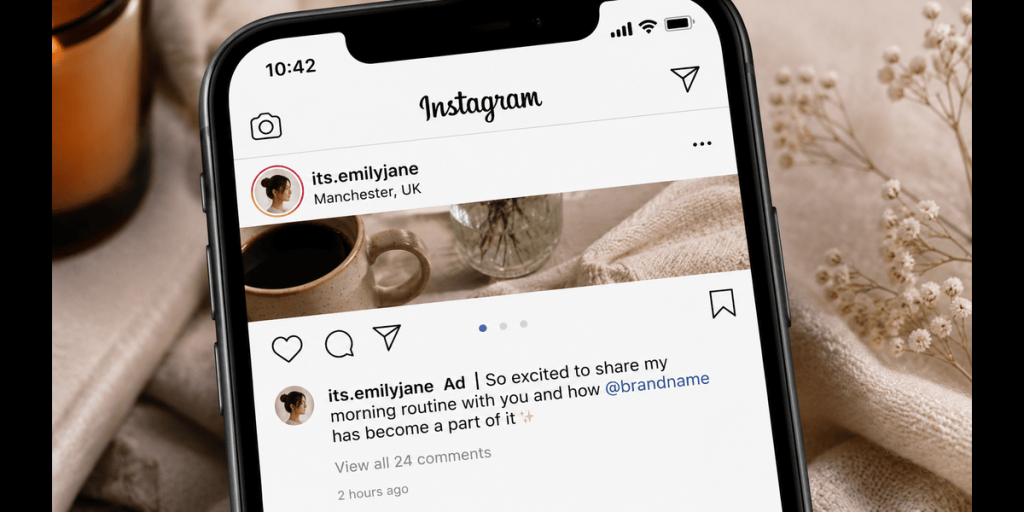
Any paid post, gifted product, affiliate link or discount code triggers a disclosure requirement, not only direct cash payment. The ASA expects the word Ad to sit at the very start of a caption, visible before anyone taps see more.
Vague labels do not satisfy the rules. Terms like in partnership with or supported by have been ruled insufficient in past ASA decisions, and a tagged brand name on its own is not treated as clear disclosure either.
A 2025 ASA transparency study found only around 57 percent of influencer content on Instagram and TikTok met CAP Code disclosure standards, which means nearly half of UK influencer content is currently non-compliant. Getting this right from your first paid post is a genuine edge.
Registering as Self-Employed and Paying Tax on Influencer Income
Income from sponsored posts, gifted collaborations valued in cash terms and affiliate commission all count as taxable income in the UK, and HMRC treats most influencers as self-employed.
Once income moves beyond a hobby, register for self-assessment with HMRC and file an annual tax return. Sole trader is the simplest structure for most creators starting out, though a limited company can suit those earning at a higher, sustained level.
Keep records from the very first paid deal. A spreadsheet logging brand name, payment or product value and date saves hours when the tax return is due, and it doubles as proof of income for future brand negotiations.
Mistakes That Slow Down New UK Lifestyle Influencers
- Chasing every platform at once instead of mastering one first
- Copying a trending aesthetic instead of building a recognizable one
- Accepting the first brand deal offered regardless of audience fit
- Skipping ad disclosure because the deal was product only, not cash
- Waiting for a large following before building a media kit or pitching
Write your niche statement tonight. Pick one UK brand your audience already loves. Send that pitch this week. That single step is what moves you from watching this space to building inside it.
Final Thoughts
None of this needs a viral moment or a lucky break. It needs one clear niche and a following you show up for.
UK brands are not chasing the biggest accounts anymore. They are chasing creators whose audience already looks like their customer. That could be you at three thousand followers just as easily as at three hundred thousand.
Every influencer earning steady money today once had zero followers and one uncertain first post. The only real difference between them and you are that they hit publish anyway.
Frequently Asked Questions
Do you need to register a business to become an influencer in the UK?
No formal business registration is required to start posting. Once you earn income from brand deals, you do need to register for Self-Assessment with HMRC as a sole trader.
Do you still need to declare tax if you only receive free products, not cash?
Yes, in most cases. HMRC treats gifted products at their cash value the same as a paid fee. For the 2026/27 tax year, HMRC’s trading allowance lets you earn up to £1,000 in total gross income, cash and gifted value combined, before you need to register or pay tax on it. Once your combined income crosses that line, you need to register for Self-Assessment and declare it.
Can you become a lifestyle influencer with no experience?
Yes. Most UK lifestyle influencers started with no following and no media background. Consistency and a clear niche matter more than prior experience.
Do you need professional camera equipment to start as a lifestyle influencer?
No. A recent smartphone, natural light and a steady hand cover most lifestyle content formats. Good lighting and a consistent editing style matter far more than camera quality at the start. Most creators only add proper equipment once brand income covers the cost.
How long does it take to become a lifestyle influencer in the UK?
Most creators see meaningful traction after six to twelve months of consistent posting, though a strong niche and hook can shorten that considerably.
Should a new UK lifestyle influencer start on Instagram or TikTok?
Either works, but pick one to master first. Instagram tends to suit a more curated, photo-led aesthetic and rewards a consistent feed over time. TikTok rewards short-form video and can grow a following faster from a standing start, since its algorithm pushes new accounts to fresh viewers. Choose the format you can film consistently, then expand to the second platform once the first is working.
Do you have to show your face to be a lifestyle influencer?
No. Faceless lifestyle accounts built around hands, home spaces or voiceover content are growing steadily, though a visible personality still builds trust faster.
How much can a beginner UK lifestyle influencer realistically earn?
There is no fixed figure. Nano accounts under 10,000 followers typically start with product gifting or fees up to around £200 per post, moving toward £100 to £500 per post once an account reaches the micro tier of 10,000 to 50,000 followers. Earnings depend far more on niche fit and engagement rate than on follower count alone, so two accounts of the same size can earn very different amounts.
[…] If you’re building a UK-based personal brand rather than a business page, it’s worth pairing this with our guide on becoming a lifestyle influencer in the UK. […]
[…] Some do, but few say so publicly, so nobody has reliable numbers. Growing on Instagram is tough, and even with a big following, keeping engagement high isn’t easy. For some, buying comments is a way to make a post look active while they work on real engagement. Brands often check comment quality before they sign a creator, so padded comments can backfire. If you are building your profile the slow way, start with our UK lifestyle influencer guide. […]